Why the myth of seamless international sourcing unravels: a close look at documentation, supplier trust, and customs realities
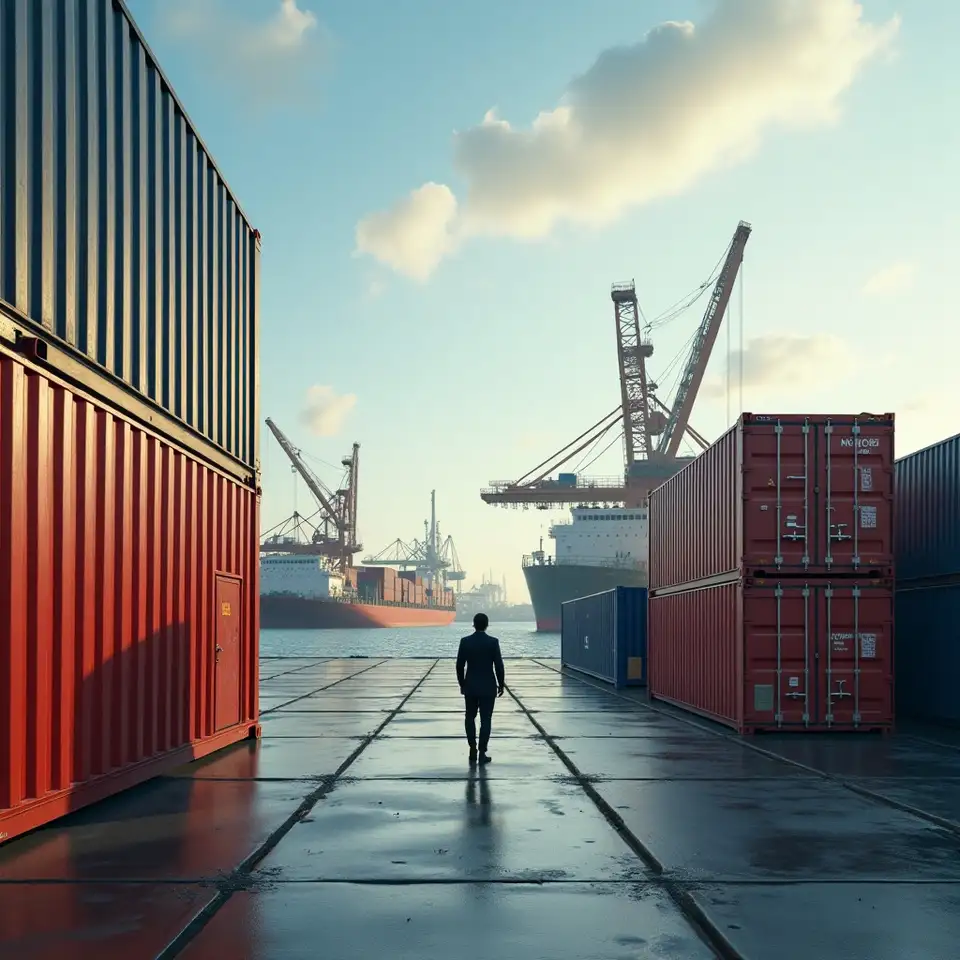
Much is said about seamless international trade, but little is revealed about the fragile scaffolding beneath. This investigation unpacks the intricate choreography of global commodity sourcing, separating myth from mechanism. Discover how deliberate documentation, careful supplier vetting, and adaptive customs navigation shape outcomes for Norwegian firms venturing abroad.
Forget the narrative of effortless global trade—each transaction is a negotiation with uncertainty. Where complexity thrives, only methodical evidence and calculated scrutiny separate a sound shipment from an expensive misadventure.
Global supply chains: order or illusion?
Conventional wisdom whispers that a global supply chain runs as predictably as clockwork. Yet, like the tides, its rhythm is anything but fixed. The principle at play: every node—supplier, customs officer, shipping agent—operates according to incentives only partly visible to outsiders. This fundamental opacity demands vigilance from buyers and sellers alike. In practice, the documentation maze is less a barrier and more a crucible, where only transparent, verifiable paper trails grant passage. Businesses that neglect rigorous record-keeping or rely solely on assurances find themselves subject to delays, additional fees, or, at worst, regulatory scrutiny. The cost is measured not only in money but in opportunity lost when a shipment idles at port, awaiting clarification. Thus, the rule: control the paperwork, or the paperwork will control the trade.

The myth of the universal supplier
The next myth to dispel is the notion of a 'universal supplier.' The reality: true value lies not in casting the widest net, but in forging a network built on mutual scrutiny and verifiable credentials. Here, a supplier's reputation acts like a currency—subject to devaluation at the first sign of opaque practices or missed timelines. The method practiced by experienced intermediaries is an internal, tiered due diligence—document checks, reference calls, and on-site verification—each step filtering out uncertainty. Such rigor, however, can slow negotiations and increase upfront costs. The payoff is measured in reduced exposure to shipment disputes, payment ambiguity, and regulatory friction. As in metallurgy, tempering a business relationship with scrutiny produces resilience, not brittleness.

Customs compliance: the moving target
No two customs offices are identical; the rules may rhyme, but never repeat. For Norwegian enterprises trading abroad, compliance is less a checklist and more a dialogue with evolving policy. This necessitates ongoing attention to detail: harmonized commodity codes, accurate declarations, and up-to-date permits. Even seasoned logistics managers encounter shifting interpretations—requiring a buffer of expertise and real-time updates. The consequence for lapses is seldom just a fine. Delays, forfeiture of goods, or long-term trading restrictions can shadow a firm’s cross-border operations. Thus, success belongs not to the swiftest, but to those most adaptive, combining legal knowledge with pragmatic flexibility.